
Introduction
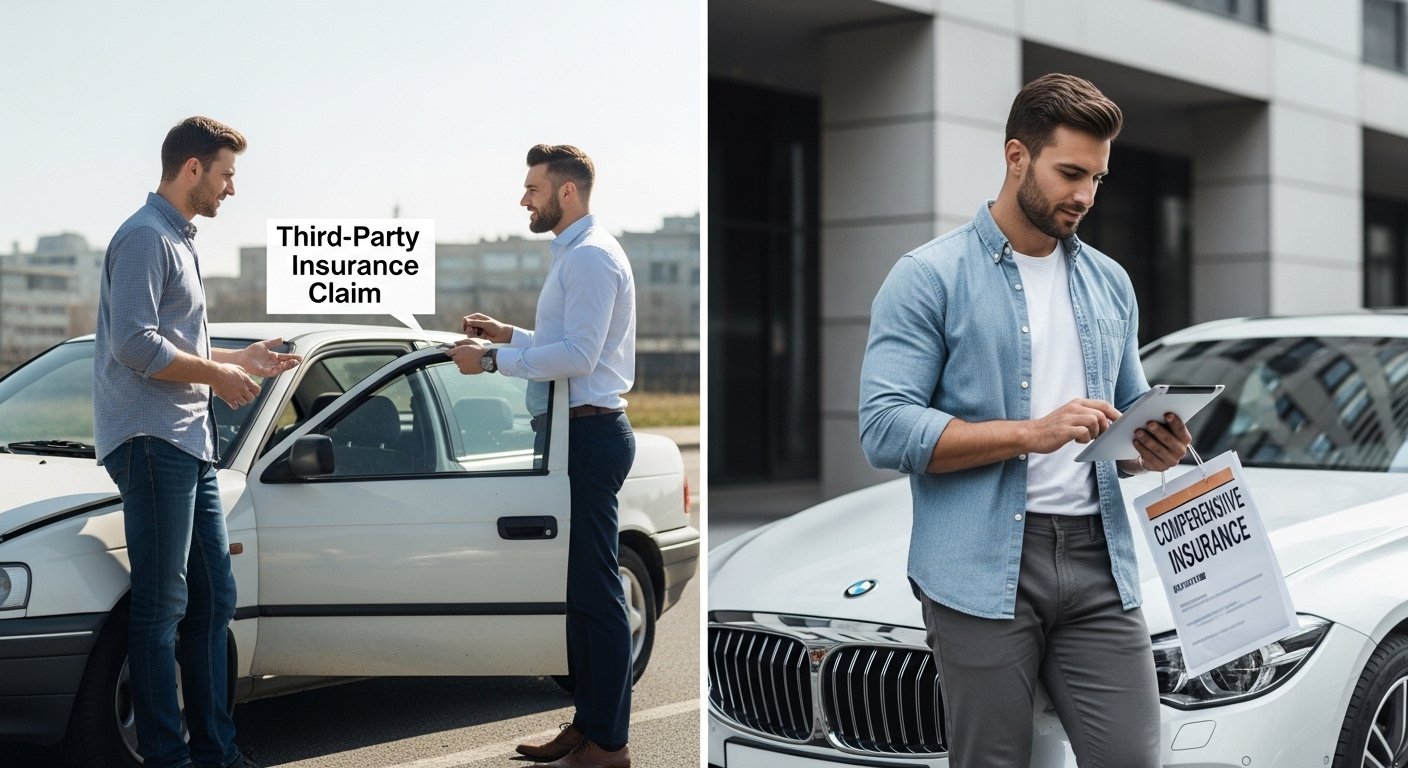
When purchasing car insurance, one of the most important decisions you will make is choosing between third-party insurance and comprehensive insurance.
Many drivers select the cheapest option without fully understanding the differences. However, choosing the wrong coverage can lead to significant financial loss after an accident.
In this guide, we will explain the differences between comprehensive and third-party car insurance, their benefits, costs, and how to decide which policy best fits your needs.
What Is Third-Party Car Insurance?
Third-party car insurance is the minimum legal requirement in many countries.
It covers:
- Damage to another person’s vehicle
- Injury to third parties
- Property damage
- Legal expenses related to third-party claims
However, it does not cover damage to your own vehicle.
Example:
If you accidentally hit another car:
- The other driver’s repair costs are covered
- Your own vehicle repair costs are not covered
What Is Comprehensive Car Insurance?
Comprehensive insurance provides broader protection.
It includes:
- Third-party liability coverage
- Damage to your own vehicle
- Theft
- Fire damage
- Natural disasters
- Vandalism
Comprehensive insurance protects both you and other parties.
Key Differences Between Comprehensive and Third-Party Insurance
1. Coverage Scope
Third-Party:
Covers only third-party damage and injuries.
Comprehensive:
Covers both third-party claims and damage to your own vehicle.
2. Cost
Third-Party:
Lower premium.
Comprehensive:
Higher premium due to wider coverage.
3. Financial Protection
Third-Party:
Limited protection.
Comprehensive:
Full financial security against most risks.
When Should You Choose Third-Party Insurance?
Third-party coverage may be suitable if:
- Your car is old or low value
- You drive infrequently
- You want the lowest premium
- Legal compliance is your main goal
If repair costs exceed your vehicle’s value, comprehensive coverage may not be cost-effective.
When Should You Choose Comprehensive Insurance?
Comprehensive insurance is recommended if:
- Your car is new or expensive
- You live in high-traffic areas
- Theft risk is high
- You cannot afford major repair costs
- You want maximum peace of mind
For most modern vehicles, comprehensive insurance provides stronger financial protection.
Real-World Scenario Comparison
Scenario 1: Minor Accident
You reverse into another car.
Third-Party:
Covers damage to the other vehicle only.
Comprehensive:
Covers both vehicles.
Scenario 2: Car Theft
Third-Party:
No coverage.
Comprehensive:
The insurer compensates based on policy terms.
Scenario 3: Flood Damage
Third-Party:
No coverage.
Comprehensive:
Flood-related damage may be covered.
Cost vs Risk Balance
While comprehensive insurance costs more, the difference in premium may be small compared to the potential cost of repairs.
For example:
Major accident repair costs can be significant.
Paying a slightly higher premium can prevent major financial stress.
Add-Ons in Comprehensive Insurance
Many comprehensive policies offer optional add-ons:
- Zero depreciation cover
- Engine protection
- Roadside assistance
- Rental car coverage
- No-claim bonus protection
These enhance coverage but increase premium.
No-Claim Bonus Advantage
With comprehensive insurance, maintaining a no-claim record can reduce renewal premiums significantly.
Safe driving habits help lower long-term costs.
Common Mistakes to Avoid
- Choosing third-party insurance for a new vehicle
- Ignoring theft and natural disaster risks
- Not reviewing policy exclusions
- Focusing only on premium price
- Failing to compare insurers
Making a well-informed decision is essential.
Which One Is Better Overall?
There is no universal answer.
If budget is tight and your car is older, third-party insurance may be sufficient.
If you want complete financial protection and own a valuable vehicle, comprehensive insurance is generally the better choice.
Your decision should depend on:
- Vehicle value
- Financial stability
- Risk tolerance
- Driving habits
Final Thoughts
Car insurance is not just about legal compliance — it is about protecting yourself from unexpected financial loss.
Third-party insurance offers basic legal coverage, while comprehensive insurance provides broader protection for both your vehicle and others on the road.
Before choosing a policy, carefully evaluate your vehicle’s value, local risks, and financial capacity.
A slightly higher premium today can save you from major expenses tomorrow.
Drive smart. Insure wisely.